Showing posts with label Frida Kahlo. Show all posts

Thursday, October 11, 2012

The Real Frida Kahlo: Frida Kahlo's Clothes


On November 20, 2012 the world can see some of what belonged to Frida Kahlo. An exhibit opens at the Frida Kahlo Museum in Mexico City.  After being locked away for 50 years viewers can now see the billowing colorful skirts and blouses Kahlo wore. They will also feel the physical and emotional pain they covered up. The museum will display a full collection from her wardrobe. These dresses, jewelery , and shoes have been locked away for 50 years in her dressers. These clothes still retain her perfume and cigarette scents.
Frida’s choice of clothing reflected things she experienced in life. Frida suffered from polio as a child and a then bus accident at 18 caused her great pain throughout her life. The clothes she chose to wear functioned as armor for her pain. Her long skirts hid her tiny right leg and she wore corsets for back pain. Emotional pain was caused by miscarriages and the many affairs she had to suffer through that her husband muralist Diego Rivera engaged in.
As she covered up pain, at the same time was exuberant in her self-confidence. Her clothes as her artwork were full of color. Kahlo's style has influenced many artists, designers and musicians, like Madonna and Jean Paul Gaultier. There are youtube clips on how to dress like her, do makeup like hers, and braid hair like hers.
After Kahlo died in 1954, her husband ordered her clothes to be locked up for 15 years. He died three years later, leaving art collector Dolores Olmedo as the manager of his wife's collection. She refused to give access to Kahlo's archives of letters, clothes, jewelry and photographs and they were not unlocked until 2004 after Olmedo died.
Museum director Hilda Trujillo said three of Kahlo's dresses created a frenzy when they were shown in 2007, featured in fashion stories across the world. No doubt this opening of her personal wardrobe will create another frenzy.
This exhibit will display the white corset that Kahlo featured in her self-portrait "The Broken Column."
And there will be an earring that was a gift from Pablo Picasso and was featured in a 1940 self-portrait and the mate has never been found. Kahlo's blouses were custom made; she bought the fabrics and took them to Indian seamstresses. Often she bought velvet cherry, the fabric often used for traditional elegant dresses in Oaxaca region known as the Isthmus of Tehuantepec. The Tehuana dress, was named after the Indian women of that region and wad said to be Kahlo’s signature piece of clothing.
As women during Kahlo's life were highly influenced by her style and this exhibit will no doubt expose younger women around the world to her style.
Read more at the links below.
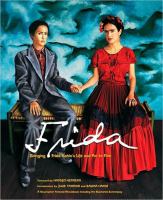
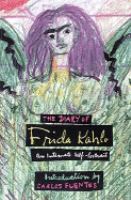
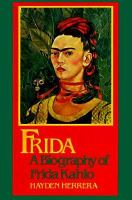
Some Items at the Central Library about Frida Kahlowe have much more
DVD

In Spanish

Wednesday, March 21, 2012

Frida Kahlo


Most recognize the work of Mexican artist Frida Kahlo through her brightly colored self portraits. What many don’t know about is the collection of the more than 6,000 photographs she owned. 

These photographs were held from the public at the request of her husband painter Diego Rivera. Kahlo’s father made his living as a photographer and passed this interest onto his daughter. In 2007 the photos were released to the public.

Some of the photos are credited to Kahlo but some may be have been taken by some of her friends, Edward Weston, Manuel Alvarez Bravo, and Tina Modotti. Frida Kahlo: Her Photos, is an exhibit of 240 photos from her collection that can be seen at Artisphere, in Arlington VA.  The exhibit was curated and based on the book by Mexican photographer, Pablo Ortiz.
The exhibit originated at the Museo Frida Kahlo


Read more at the Washington Post and at ArtInfo.


Saturday, March 17, 2012

Diego Rivera: Murals for The Museum of Modern Art


Diego Rivera: Murals for The Museum of Modern Art

November 13, 2011–May 14, 2012


Diego Rivera (December 8, 1886 – November 24, 1957) is one of Mexico's most famous artists. He is known for his large frescoes paintings depicting human progress the effects of technology on society. He was the husband of artist Frida Kahlo.

Rivera was looking for a new form of painting to reach a large audience.it was in Europe that he found this new medium. He studied the Renaissance frescoes of Italy that he found the fresco. Frescoes are large mural paintings painted on fresh plaster. As Rivera wanted to reach masses of people the fresco was the perfect medium for him. He painted his murals on public buildings whereby he was able to introduce his work to the everyday worker in Mexico. Rivera was also a Marxist and he saw his murals as a rebellion against the elite galleries and museums. For Rivera working class spent most of their lives being a downtrodden by war and industry to bring progress to Mexico. 

Rivera did many murals for American buildings, two for American Stock Exchange Luncheon Club and for the California School of Fine Arts. These commissions and in other American commissions to follow he would depict the lives of the working class. One of his most famous works done in American was done at the request of Henry Ford for the walls of the Detroit Institute of Arts. He also was one of many artists who worked through the WPA.

This exhibit at MoMA will show mural panels and full-scale drawings and Designs for a mural he did for Rockefeller Center. The exhibit focuses primarily on the work Rivera did during his stay in New York in the early 1930s.
Books in the Central Library's Collection on Diego Rivera


This item is a DVD